Sunday, October 4, 2020

More Autumnal Asters: Riley Park Community Garden Fall Tour Part 2


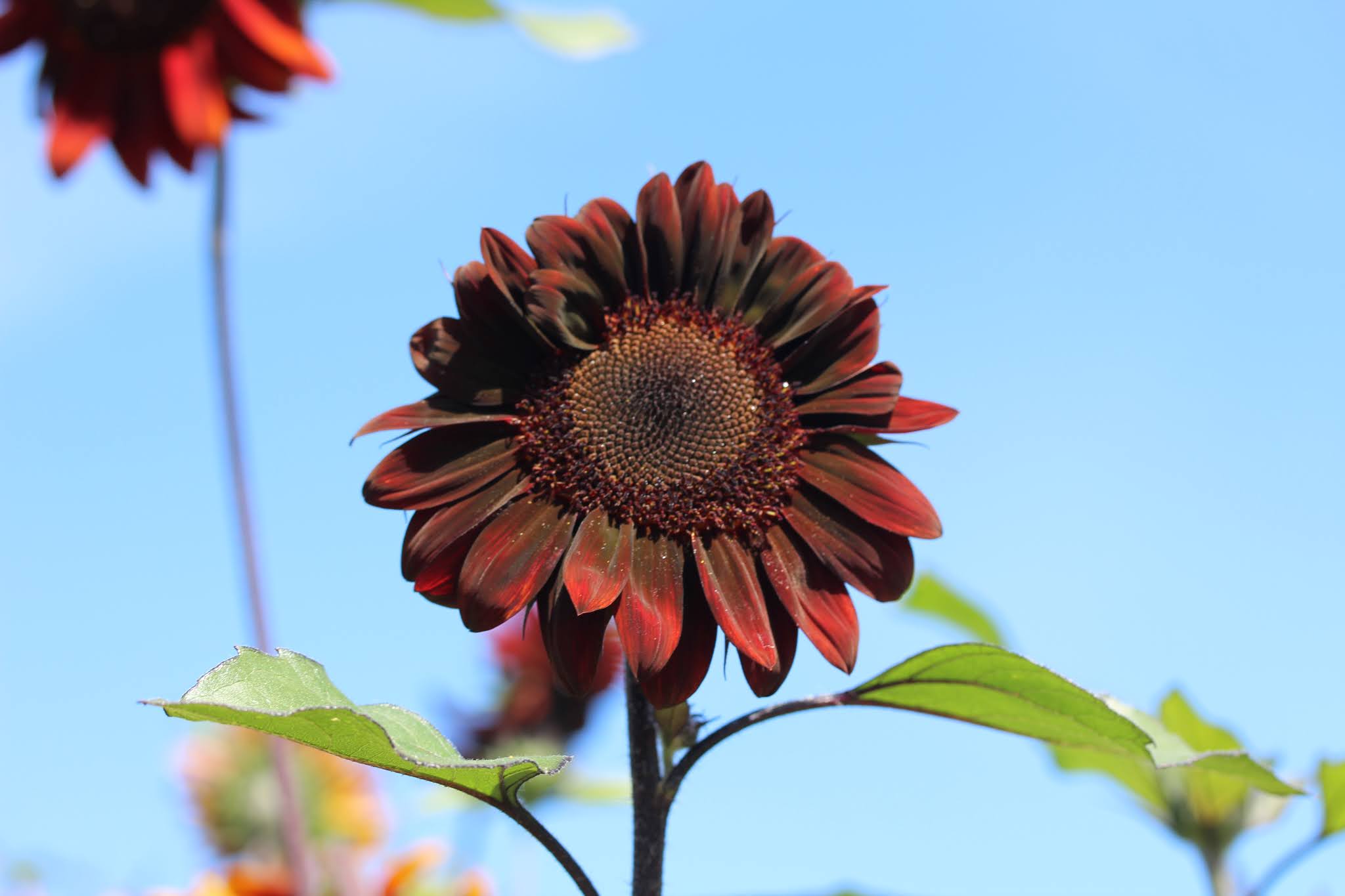
 Some fall flowers in the aster family that are great for pollinators include calendula, zinnias, tall coneflowers, chrysanthemums and cosmos. They all have those lovely shades of red, orange, and yellow that we associate with this time of the year.


When I go to pick the fading petals at dusk to use in salves, I often find bees sleeping on the seed heads or flowers of calendula.


This is a bumble bee gyne sleeping in a zinnia flower. She will hibernate over winter in the ground and when she finds a nesting site in the spring, she'll be a foundress. Once she lays her first batch of workers, she will be a queen.
 

Okay, so I'm cheating. This photo was actually taken last week in Richmond at Terra Nova, but I wanted to show proof of purchase that with your zinnia flowers, you sometimes get visits by painted lady butterflies.


In the herb garden you'll find zinnias mixed in with our edible chrysanthemums. Even though chrysanthemums they are supposed to contain bug-repelling properties, this stink bug indicates that edible varieties contain less of those chemicals.


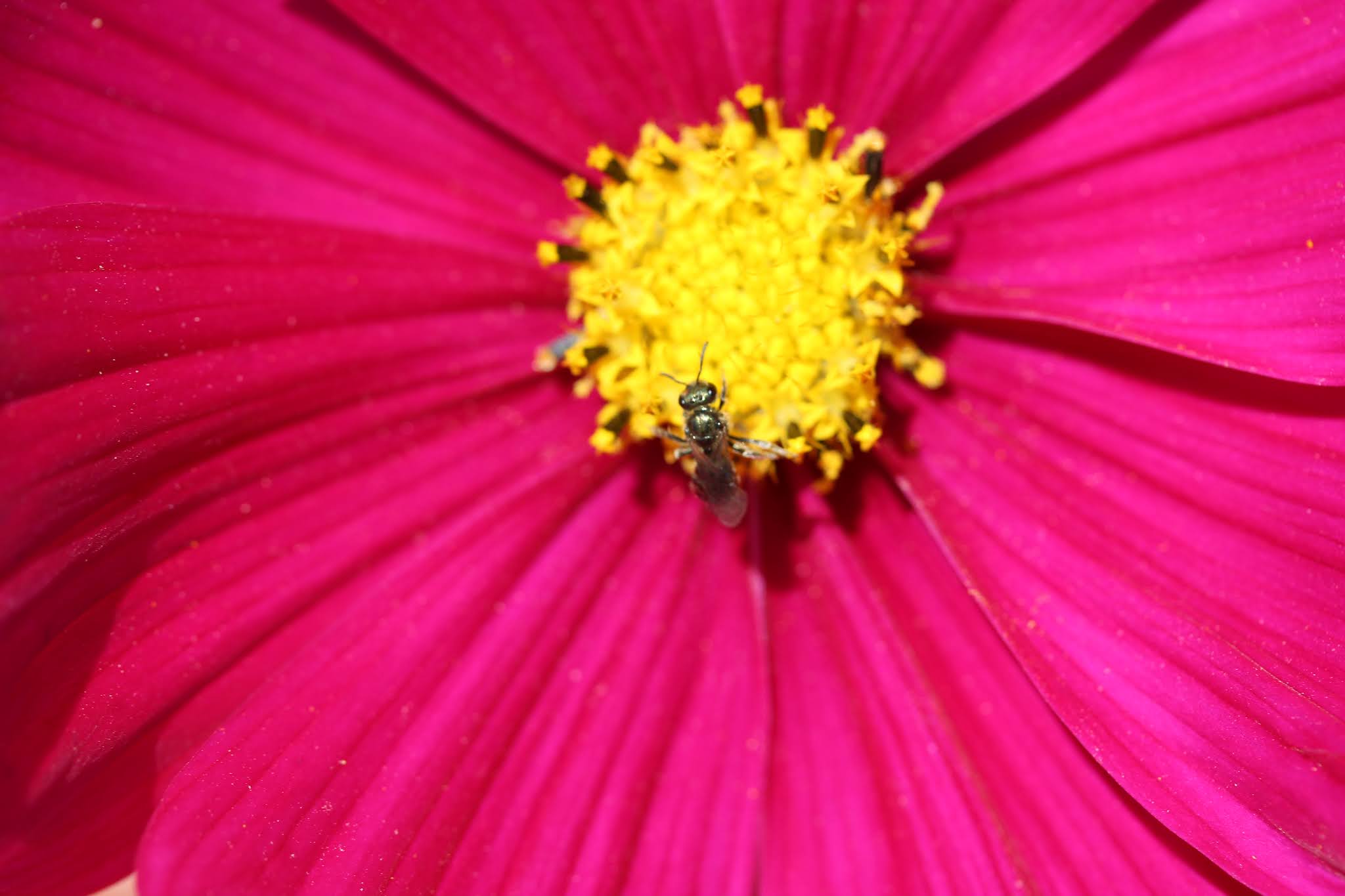
We have two kinds of cosmos growing in the garden. These are Cosmos suphureus, which come in yellow and orange forms. The pink and white cosmos are C. bipinnatus. They are long-blooming annuals that self-seed. Flies and bees are attracted to both kinds. 


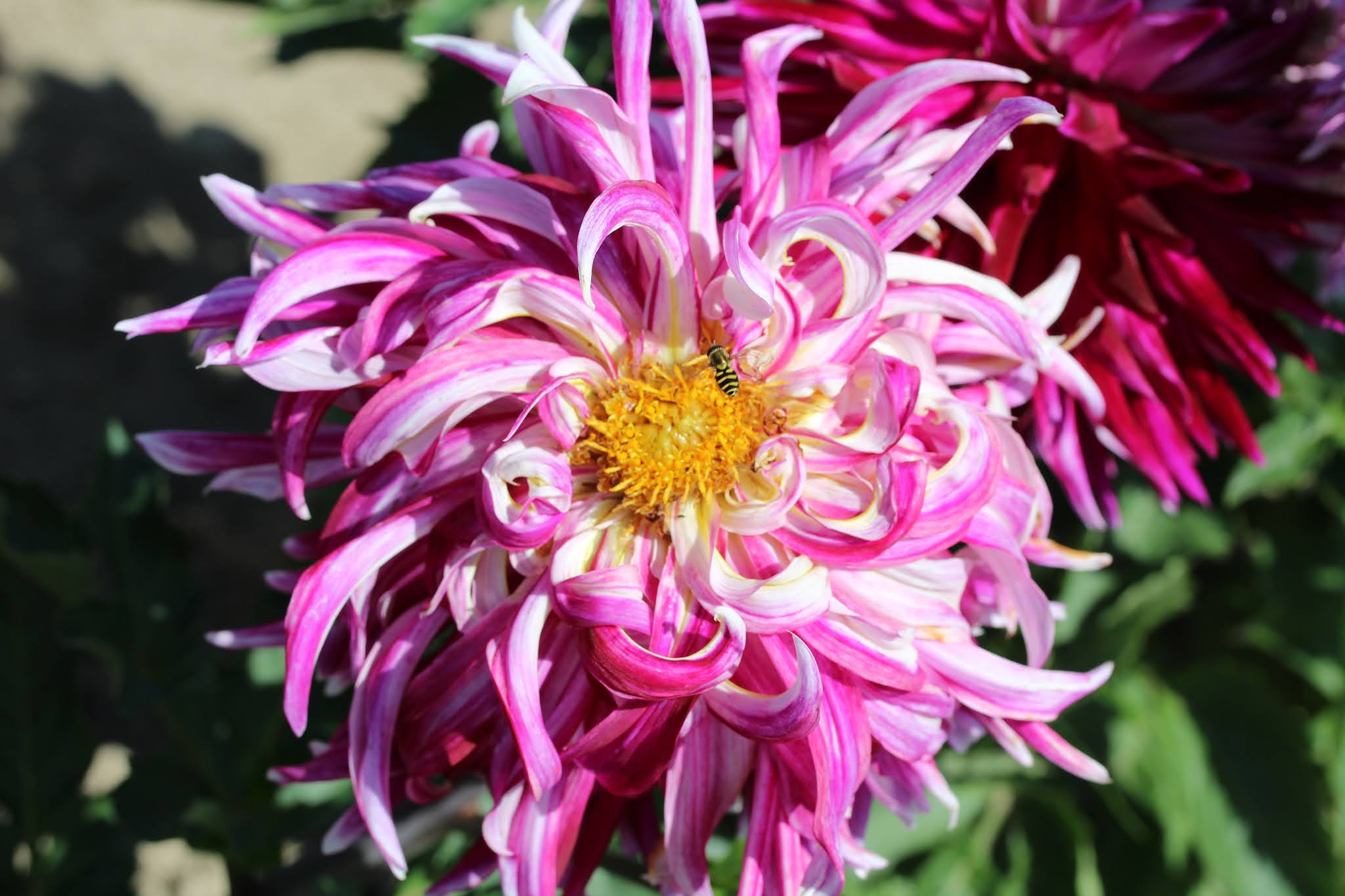
This is a fancy variety of cosmos taken in a yard just up the street. 


Gaillardia, aka blanket flower is one of my favourite bee plants. This Bombus mixtus gyne is sipping up that good nectar. She doesn't need to collect pollen until spring, but it is so sticky that she has some on her face.


The tall coneflowers are still going strong and the bees just adore them. They tend to be a bit floppy, so you might have to stake them or tie them up to a support.


This was taken a couple of weeks ago, but there are still a few sneezeweed flowers left on the plants in October. Be sure to deadhead the flowers when they bloom to extend their blossom time. Later in the summer you can start leaving the heads on to provide some seeds for the birds.


There is also some yarrow still blooming on the east side of the garden. Its shallow florets attract a wide variety of beneficial insects. Let it self-seed and become part of the "bones" or infrastructure of your pollinator garden.

Saturday, October 3, 2020

Riley Park Community Garden Fall Pollinator Tour: Asters, Goldenrod and Umbels


It's September and the asters are where it's all happening! A favoured pollinator flower that's blooming into October, asters are a MUST HAVE in any insect friendly garden. Tall, short, purple, pink, and white--native and cultivars are all good to have. Plant them all over the garden, and plant different varieties that will bloom at different times.


 My what big eyes you have! This syrphid fly is certainly enjoying the nectar on these shallow composite flowers.


Nope, this guy doesn't have a danger butt. He can't sting you, but even though he's pretending to be a stinging insect.


He hovers, he slurps, he pollinates, but he doesn't bring the sting.


This is an eastern bumble bee also enjoying a sugary treat. 


Skippers and cabbage butterflies will nectar on asters.


This critter sure looks like a honey bee, but nope, it's another hover fly, lookin' sweet.


Is it a fly or a bee?


 This is the last aster to bloom in the community garden. These sprays of small pink and white flowers on attractive stems are attracting honeybees and small bumblebees.


 Goldenrod is anther must have fall pollinator plant. Maybe the most important one because it attracts such a wide variety of insects and feeds the birds with its seeds. This looks like a species of potter's wasp. It uses mud to make its nest and brings back insects to feed its larvae. 


And if you think that wasp is small, check out this itsy bitsy yellow-faced bee! Hyleaus bees nest in hollow stems and create seals between cells out of a type of cellophane. When you clean up your garden, be careful to leave existing nests in stems and leave a stubble cut for next year's stem-nesting bees. 


Home sweet home, bee it ever so umbel. This herb is Ammi visnaga and all sorts of little bees, flies, and wasps love the tiny florets


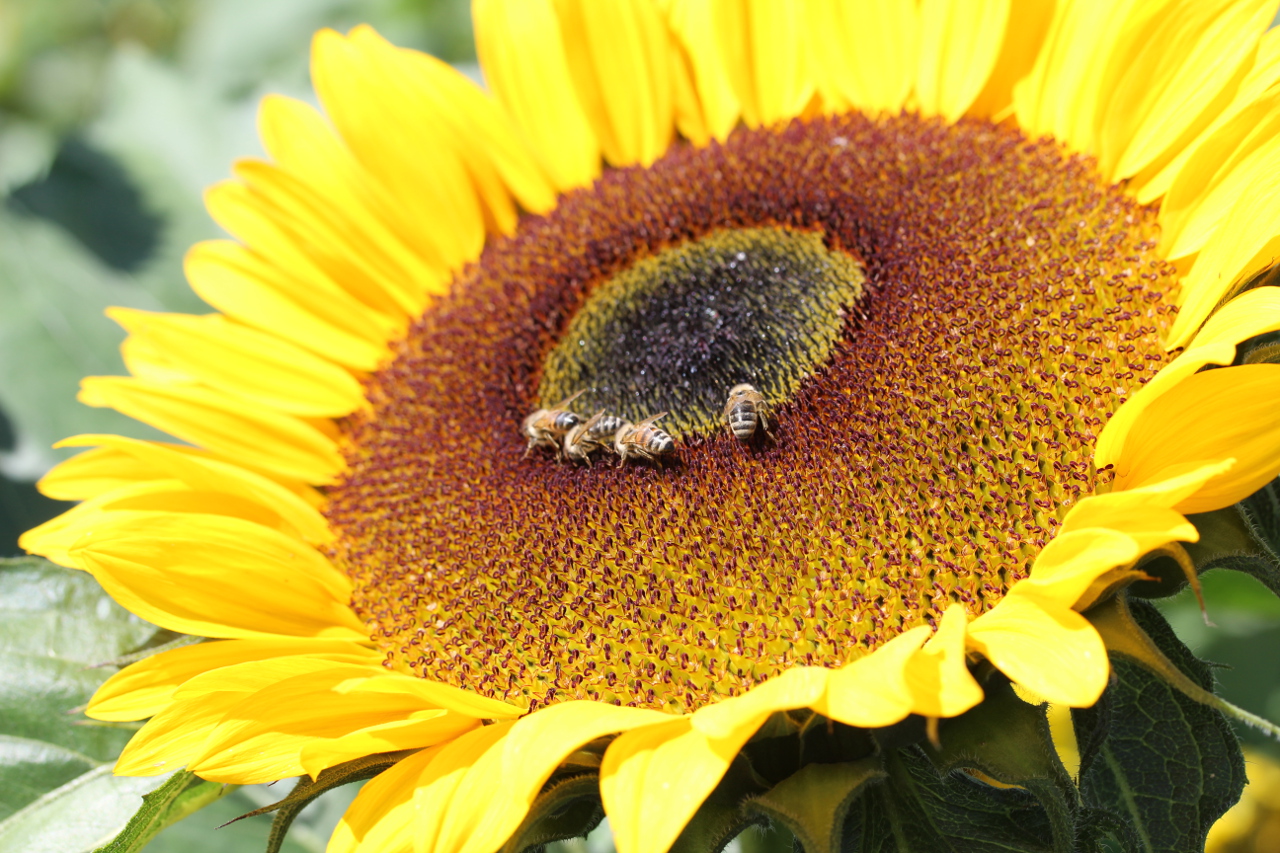
How many wee bees can you see?


 An eastern bumble bee snacks on goldenrod nectar. There are many species of goldenrod to choose from to plant in your garden. Choosing more than one kind is a good idea because they will likely bloom at slightly different times.


Here's another lovely wasp enjoying the fennel blossoms. The hollow stems of fennel make great nesting habitat for bees. Once the seeds are mature, you can harvest them for cooking and planting but bee sure to leave some behind for nesting material. For more info on protecting nesting habitat for bees, check out this fabulous resource from the University of Minnesota: https://www.beelab.umn.edu/wild-bees/wild-bees-and-houses