

It was my pleasure to lead a bee story safari for the Vines Arts Festival, starting in Hadden Park. I got my first glimpse inside the lovely field hose, with George Rahi giving me the rundown on Publik Secrets and showing me all their cool stuff. I love all the musical organ and bike-related inventions.

We started the tour by talking about the relationship of trees to bees, and I mentioned the mountain ash tree in the first photo above. The beach is quite windy, which presents an energy-draining obstacle for bees, but I was impressed to see intrepid bees in blackberry flowers, Japanese knotweed and morning glory along the paved walking path.

We stopped at this totem pole in front of the Maritime Museum and I was very excited to see this tree poppy (Romneya coulteri) for the first time ever in my life. The stamens are lush with pollen and the scent is beguiling.

It was intriguing that the honeybee we saw was carrying golden brown pollen. Was this the color of the flowers or was this pollen from visiting a previous flower?

Before heading to Vanier park, I stopped by some perennial sweet peas and talked about ground-nesting bees and the problem with neonics. As Vancouver has banned neonics there are likely still nurseries selling plants treated with neonics in Vancouver without any labelling. Then we headed to this patch of ragwort tansy by a pond. The bees, like this Eastern bumblebee, love it but it is a noxious invasive plant.


This is a turquoise sweat bee I saw on the ragwort tansy last week.

In front of the museum we have coleus, prized for its beautiful foliage. However, I was happy to see little black bees, honeybees and bumblebees in the flowers!


The zinnias and brown-eyed Susan flowers in the planters attracted bumblebees and honeybees.


This goose-necked loosestrife at the side of the museum attracted bumblebees and wee bees.


Here's a honeybee collecting pollen from brown-eyed Susans.

This is a sweat bee (Halictus rubicundus) also collecting Rudbeckia pollen. There were also many sand wasps last week.
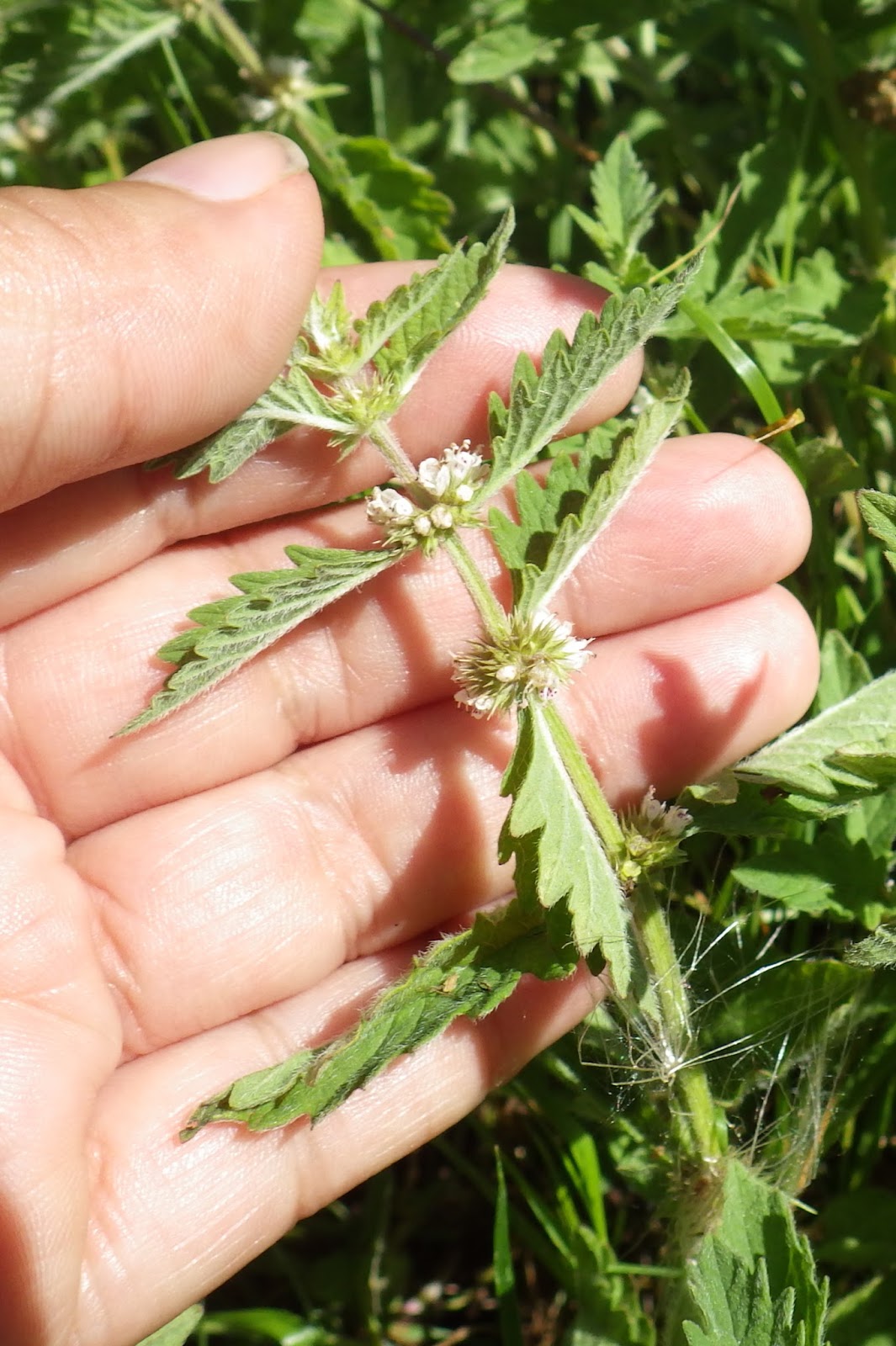
Here's a shot of the mint plant growing around the pond we visited.

Now this is a male bumblebee. Male bees are all about the sperm delivery system. The male bee has a penis that only fits into the female of its species--like a key fitting a lock. Some male bees mate with one female and die (like honeybees). Others mate over and over again with several females (like wool carder bees). Most male bees eat and mate and that's about it. Other males defend their chosen flower patch and male wool carder bees will even attack other male bees and inflict damage with his spikey butt. Charming.

Now this is a cool insect. At first glance, it seems like a yellow jacket. However, I noticed some wierd wing action going on, so took a closer look. This is a fly mimicking a wasp.

See the stubby antennae? That'd be a fly. And look at those big compound eyes!


This Canada goose was also visiting the pond. Modernism meets Canadian feathered fauna.

And speaking of modernism, let's get rid of this bloody useless lawn in front of the Vancouver Academy of Music. It sucks and it's full of goose grease! More native bee gardens please! The Smithsonian has gardens, so why not the Museum of Vancouver?
Please join me on Saturday in Trout Lake Park for more Vines Arts Festival fun!


