Showing posts with label wool carder bees. Show all posts

Thursday, June 25, 2015

Green Porn in the Germander


 Dan Jason from Salt Spring Seeds tells me that Wood Germander (Teucrium scorodonia) is one of the most popular plants for bees in his garden. It has taken 2 years for the plants to bloom, but now I have been watching and waiting for the bees to come. It turns out the wool carder bees in our back yard love this plant and they are monopolizing the patch. The males are horny flying ninjas, pushing out competing bees and humping the females like there's no tomorrow. Honeybees and bumblebees try to get into the blossoms, but eventually give up.


 Even though it is far from a red tubular flower, the hummingbirds love it.


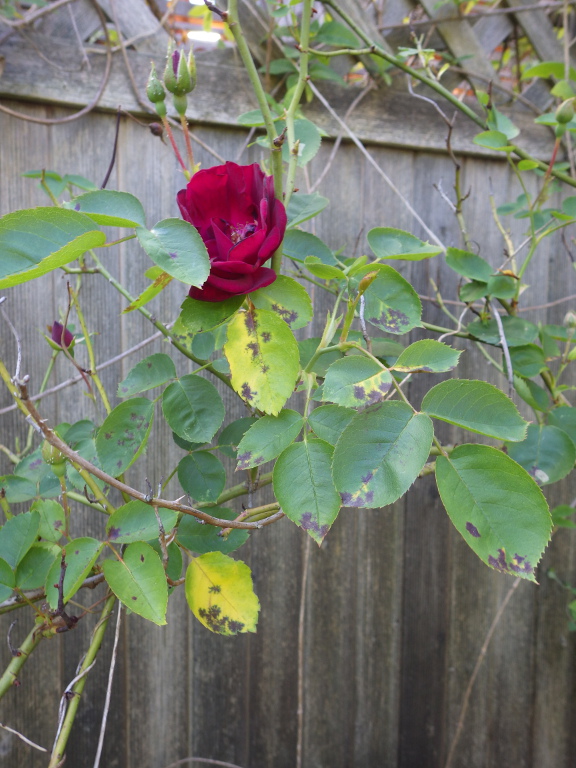
 I saw something really interesting today. A little black bee was gnawing on the edges of these yellowed rose leaves. It seemed to be ingesting the leaf pulp to use in the nest. I think it was some kind of Osmia.


Here's a little leafcutter in the nodding onions at the MACC herb garden.


Here's the pollen on her butt.

Thanks to all the friends who have been helping me in the garden since I broke my arm.

Hugs and Kisses

Tuesday, July 31, 2012

The Little Lamb's Ear Dress


I feel very honored to be one of the women chosen to wear a Little Green Dress made especially for me by a fabulous artist Nicole Dextras. Nicole is making 28 dresses out of local plant materials for her Little Green Dress Projekt for the Earth Art show at VanDusen Gardens. My task was to find the plants to cover the entire dress. What would I choose for materials? For the bulk of the material, I chose Wooly Lamb's Ear or Stachys Byzantin because it's soft, silvery, and seductive. Kids love it and they are amazed when I tell them it used to be used as bandages. In fact, if you get stung by a bee, crush up some plantain, bung it on a big stachys leaf and tie it round the sting.

 I am also fascinated by the wooly carder bees that have claimed my Stachys plant. They are fascinating to watch, but up until today very camera shy. In order to source enough Stachys to cover a dress I asked permission to cut some leaves from the Moberly Community Herb Gardern. The Stachys does very well by this Moroccan Sea Holly and the thread-leaf coreopsis which are both bee magnets.

 I asked friends and colleagues if they had some Lamb's Ear and then I e-mailed a local garden club called Seed to Sky and hit the jackpot!!!! Bags of it landed on my steps. People rang my doorbell and gave me leaves and two people just said I could come to their garden and help myself. Well, I was so excited! Here's some Stachys planted next to rosemary under a tree, which reminds me that Stachys is a plant that does work in partial shade. As I was cutting plants I heard a loud high-pitched whine and what did I see?

For the second time this summer, I witnessed a bumble bee mating frenzy. I counted four (or was it five?) males clinging to this popular queen. She ran around and around and literally climbed the walls until she shook one of the males off and flew away with rest of them still hanging on for dear life.


This is a close-up of what the flowers look like. The weird thing is that the flowers seem to only bloom a few at a time.

 The first time I noticed this plant was at the Salt Spring Yoga Centre. It has a very calming presence on their beautiful grounds. Honey bees do like it too.

 But the male carder bees are anything but calm. They defend the plant from other bees while the females sip nectar and  quietly scratch away the fluff on their leaves for their nests. The males are larger than the females, which explains why I always thought they were two different species.

 Isn't she beautiful? I think her wings are starting to degrade. I'm glad she got lots of sunshine to lay her eggs and make her nest.

So Thursday I get to wear the Little Lamb's Wool Dress to the opening and then it will be on display at the gardens for the rest of the show while it dries and disintegrates. I hope you get a chance to get up to the gardens to see Nicole's amazing work and do check out her Little Green Dress blog and her artist blog.

Sunday, July 29, 2012

Jelly Belly Bees in Vancouver


 I perceive that we are in the middle of what beekeepers would call a high summer nectar flow. The honeybees are really ramping up their foraging and some late season native bees are also highly active. This is a tiny native bee in a thread leaf coreopsis flower at 9:45 am. It has a really big head in proportion to its body and I think it's scopa is located soley on the abdomen, making it a member of the megalachidae family. It was a very methodical bee, circling around from floret to floret sipping nectar, with a bit of wiggling up and down in the abdomen. I find that the megalachide tend to have very mobile abdomens, which makes sense as it is their means of gathering pollen. Megachilidae have been nicknamed "jelly belly" bees because of the bright patches of pollen on their bellies. In my little one foot diameter patch of coreopsis there were at least two of these bees.


You can see here her legs are quite thin-looking and not fluffy and coated with pollen as is the case with some small native bees. Her antennae are down and she is incredibly focused.


 I have been researching European wool carder bees, since they have moved in to my garden and monopolized the wooly lamb's ear plant (Stachys Byzantina). You can see it here in a dry, sunny spot behind my rhubarb.


 I watched the bees in the morning and when the plant was in the shade they hung out on the neighboring borage leaves to catch the sun, but as soon as the sun warmed the lamb's ear they were in like Flynn. Honey bees and bumble bees tend to go around and pollinate all the flowers on one plant but these carder bees would take a sip from one flower and then fly up over my roof and away. Males would hang out on the leaves and wait to defend their territory. They will bump other bees out of the flowers. Meanwhile the much smaller female bees were quietly rubbing the fur off the stems. You can see in this photo of the leaf patterns of fluff removal. You may even find this fluff in your mason bee condo.


The flowers of stachys are unassuming, but they are similar to this bee plant that's blooming now: dragonshead.


I noticed this lovely mass of creeping germander along a neighbor's sidewalk which has a similar morphology in the blossoms but lacks the fuzz on the foliage. I did see some wool carder bees in these plants too.


Here's another plant with purple flowers with bilateral symmetry of the about the same size as the stachys and germander: a sage I didn't save the name of. . . I bought it on a whim and the bumble bees and honey bees love it.

 After my daily bee-watching, I set off to the Kits Farmer's market in search of millet stems. I found some millet in this bouquet at Choices Market on 16th. It comes with a free honey bee!


This organic bouquet is from Bathtub Gardens in Pemberton which is the same flower stall that sells the millet stems at Kits Market! I rushed to the market, got there five minutes before it closed and bought some beautiful millet. Who did I happen to meet, but the lovely busy bee artist Holly Schmidt who was meeting with Alexander McNaughton to concoct their next tasting at the Burnaby Art Gallery as part of Holly's project: The Moveable Feast.

Why was I chasing down millet? Well, that's the story for my next blog post. Hint: It's to do with the current Earth Art Show at VanDusen Gardens.