Thursday, March 31, 2016

Celebrating Pollen with Jasna Guy: ArtStarts Weekend Workshops

I was pleased to pitch in and help participants explore bees and pollen with a workshop devised and lead by Jasna Guy through ArtStarts. The results were fabulous!  And we got to celebrate the 20th birthday of ArtStarts four times!!!!


Tuesday, March 8, 2016

Building a Pollinator Hotel: Boosting Biodiversity on School Grounds


Artist Evan Hutchison lead a class in Sexsmith Elementary in creating components for a pollinator hotel that will be installed on school grounds.


Students worked with hollow stems, cardboard and wood to make tunnels for nesting insects.
 

 Holes of varying diameters and lengths will attract a variety of bee species.


Bees nest in hollow twigs and small carpenter bees can dig out pithy stems from the rose family for their nests.


Lacewings are beneficial insects that can nest inside cardboard tunnels.


Evan made a cool invention for tying twigs in bundles so they can be secured inside the hotel where they will be protected from the rain.


 Can you identify these bee plants growing in the school garden? Watch this space for some spring blooms.


As I was walking east from the school I noticed some chafer beetle damaged lawns. This bare soil is actually great for ground-nesting bees.


Planting violets instead of sod will provide a beautiful bee-supporting alternative to monoculture lawns.

Saturday, March 5, 2016

Tell the Bees: Jenn's Getting Married!!!!


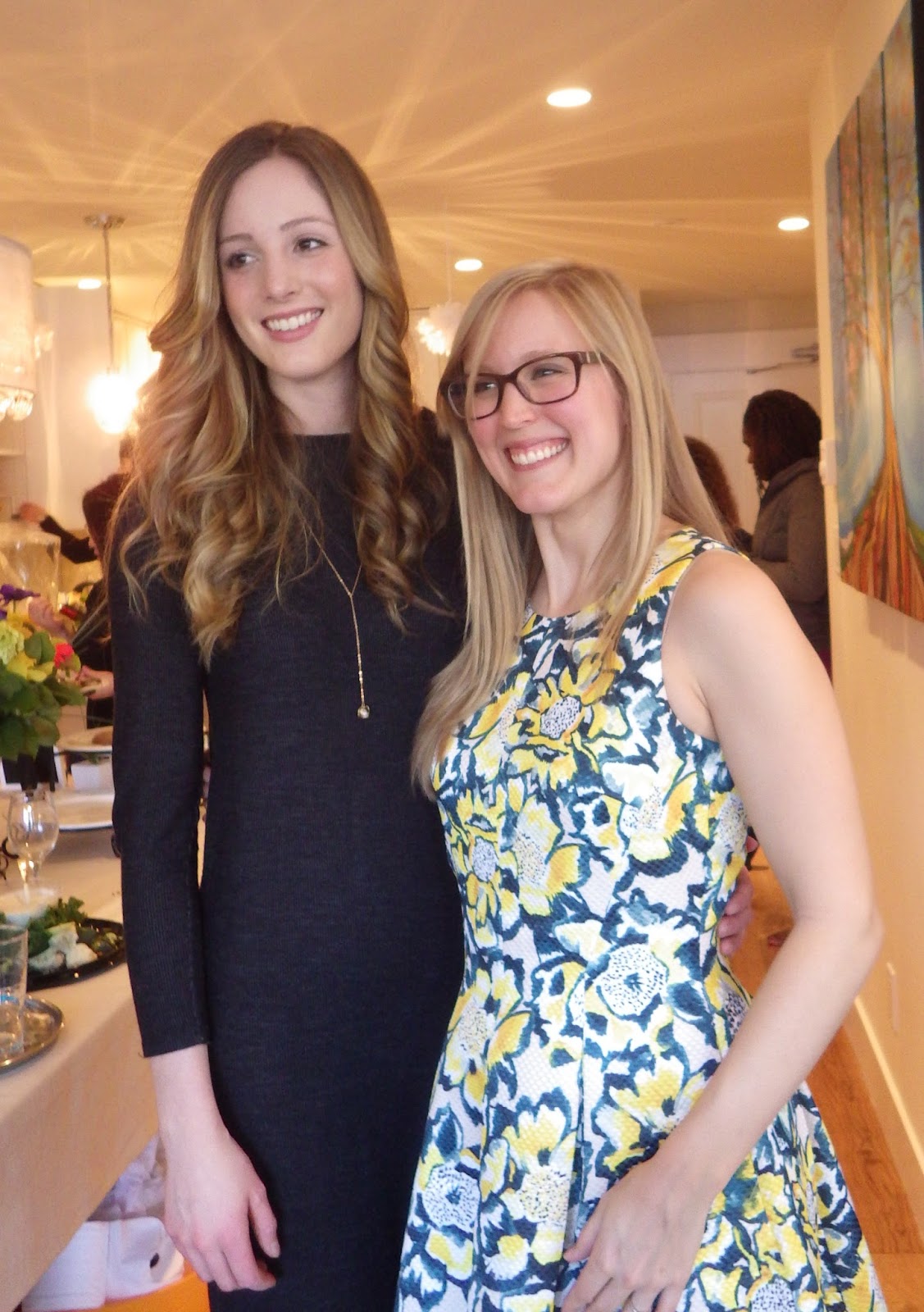
Here come the brides, all dressed in toilet paper? What's going on? Silly rituals and games, thong underwear in 7 different colours, gluten free buffet, mimosas and 25 grinning women. Sounds like a bridal shower!


I was honored to be invited to Jenn's shower. She is radiant.


Her friends created an amazing shower in the best tradition: lots of giggles and nibbles.


I even shed a couple of tears when Jen read out the little pieces of advice written by friends and family.


Er, can I at least be the ring bearer?


 Jenn had to answer questions about the groom to be, and match his answers or chew gum. Spoiler alert: she chewed a lot of gum.


And the piece de resistance: toilet paper bridal gowns.


"Well, I hope I get that many thongs at my wedding shower!"

"I hear they're not all they're cracked up to be."


Congrats Jennifer! You will make an awesome bride.

Monday, February 22, 2016

Join the Movement! Plant a Victory Gardens for Bees


Ladybird Johnson was fond of saying “Where flower bloom, so does hope.” I say “Where there are flowers, there is hope for bees. And where there is hope for bees, there is hope for humanity.” And that is why I wrote a book on which flowers feed bees and how you can make your back yard, balcony, farm, and garden hospitable for our most important and most pollinators, which happen to be the most endangered creatures on the earth.
I wrote Victory Gardens for Bees for the people who hold the fate our planet in their hands: the children and youth of today who are the gardeners, scientists, farmers, and policy-makers of the future. I also wrote the book for anyone who likes to eat, (because eaters should really become bee huggers if they want to keep eating). I wrote the book for people who love gardens and nature. Reading the book is meant to be like walking in a garden, immersing oneself in the bright colors and textures of flowers and bees. (You’ll have to supply the sound effects with your imagination.)
Bees are one of the most important creatures to ensuring the biodiversity and volume of our food supply and they are perhaps the most vulnerable creatures on the planet. We need to make the care and stewardship of bees a top priority right now. We need to pull together to create and implement a bee-centered vision of all our green spaces: gardens, farms wild sites rooftop gardens, brown sites, ditches, and more.  We need to protect, restore and expand green spaces and use them to grow food and create nesting habitat for bees.
I wrote this book for the bees. But since they can’t read, I wrote it for humans who can work to help the bees by growing food, creating nesting sites, and making bee-wise choices when they shop for food, clothes and more. This book is especially for elementary school age children who can develop an affinity for bees that will affect the choices they make for the rest of their lives. I wrote the book for nature clubs, garden clubs, scouts, guides, beavers, summer camp leaders, teachers, horticulturalists, farmers, homesteaders, and life-long learners. This book for nature lovers, naturalists, nature mentors, plant nerds, bee nerds, foodies, locavores, urban farmers, and beekeepers. It is meant to be accessible, but also challenges the reader with the real complexity of the issues that affect bees, raising issues that are often glossed over or over-simplified when they are brought to the public’s attention.
 I love to talk about bees and take people on bee safari walks, and I’m looking forward to traveling to promote the book and visiting bees and humans along the way. Let's get those gardens blooming for bees!

Saturday, February 13, 2016

The Richmond Children's Art Festival Rocks!


This week I taught 200 elementary students how to weave at the Richmond Children's Arts Festival. It was very satisfying work and I left feeling very inspired by the experience. My station was outside in a tent. Monday was a gorgeous dry, sunny day, but of course the rest of the week it poured with rain.  Two heat lamps took the edge of the wet, chilly air.


I try to choose as many natural biodegradable materials as possible, and use the opportunity to use up odds and ends of materials and recycle old sweaters and one old moth-eaten feather boa.


 I love seeing the evolving  sense of design and the creative choices the students make.


The balloon art in the atrium is exceptional.


It's very satisfying to see the students use the natural materials I've spent days collecting. As he students work with the materials they inevitable break apart some of the seed pods, which is such a human querk. It's good because it gives them a tactile experience with seeds. "This is my first messy art piece," one girl remarks. My job here is done.


Most of the students had never woven anything before.


I explained how the weaving can be taken apart, cut into small pieces and stuffed into a wire whisk to hang in a tree to provide nesting materials for birds. The alar shape of the weaving is my own twist on paper plate weaving, giving the students a challenge. (With the grade ones we just made a straight perpendicular paper plate loom.) I like using the paper plates because it gives the students lots of room to move their hands inside the weaving and makes room for bulky materials.

There were some interesting comments about the scent of the herbs on the table: lavender, oregano, and fennel. "Smells like Mother Nature," one boy exclaimed. "It stinks!" said another. "That's just how nature smells and it's not gonna change," advised a third student. Another boy loved the scent of the oregano. "That's because it's the herb in your pizza sauce," I explained. He was so excited to make that connection he stuffed his weaving full of oregano.


I explained how we had lots of time for this activity and we were living life in the slow lane. One girl agrees: "No hurries, no worries, as I like to say." Of course, some students tried weaving for about ten minutes and then gave up because it wasn't their thing. Others just didn't want to stop after an hour and a half and I gave them some materials to take home. Weaving is very good for brain development and I would love to see looms in classrooms and seniors centres.

Many thanks to the staff and volunteers for such a well-organized and inspiring children's art festival.

Monday, February 8, 2016

Happy Chinese New Year and Happy New Honeybee Year!


 It's 11 degrees Celsius right now and I just snapped these photos of a neighbor's crocus patch busy with honeybees collecting neon orange pollen.


Warm days like this allow honeybees to go outside, relieve themselves, and bring in some fresh pollen and nectar. Beekeepers will be opening the hives soon to see if there is enough food to get the bees through the early spring months.

Gung hay fat choy!